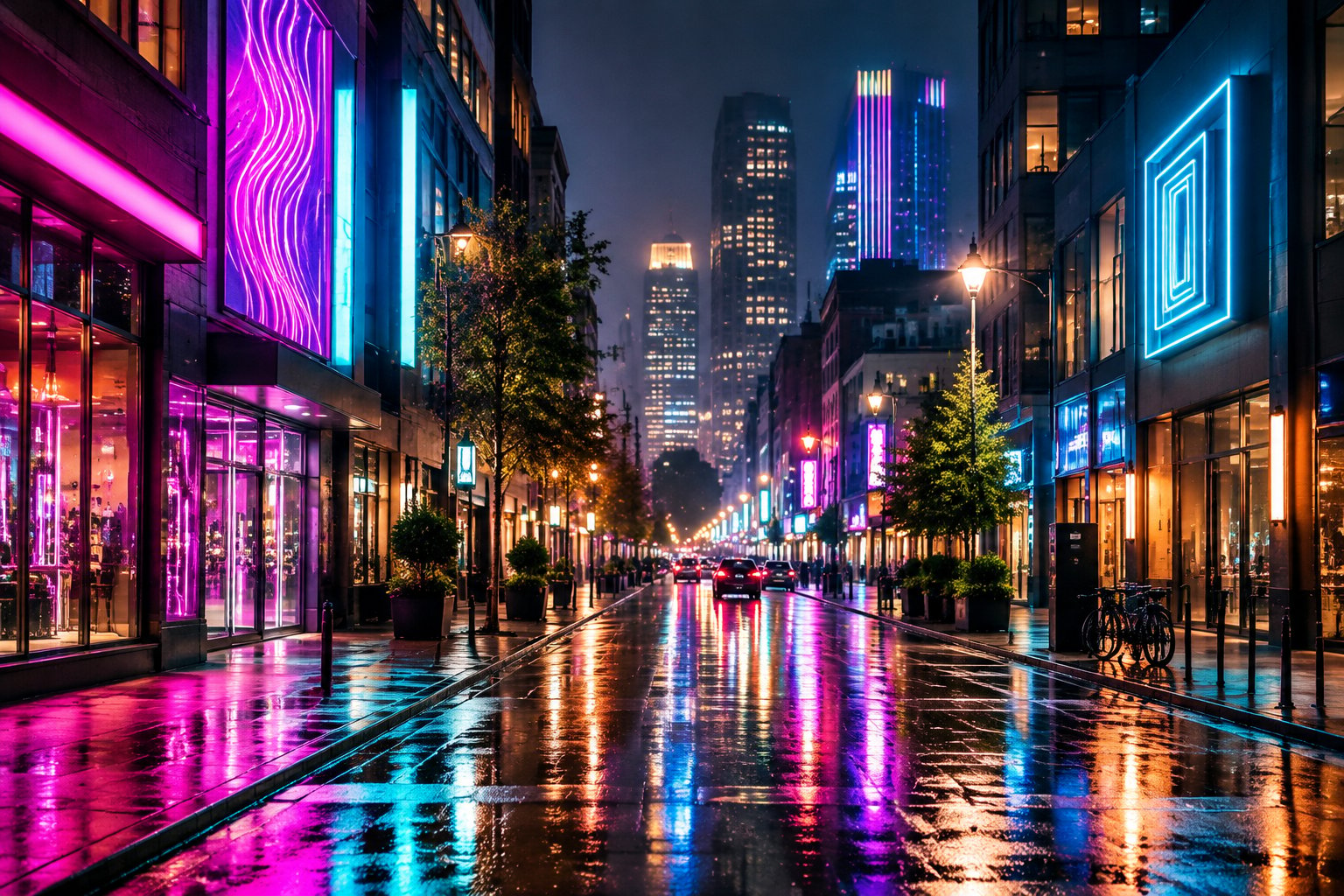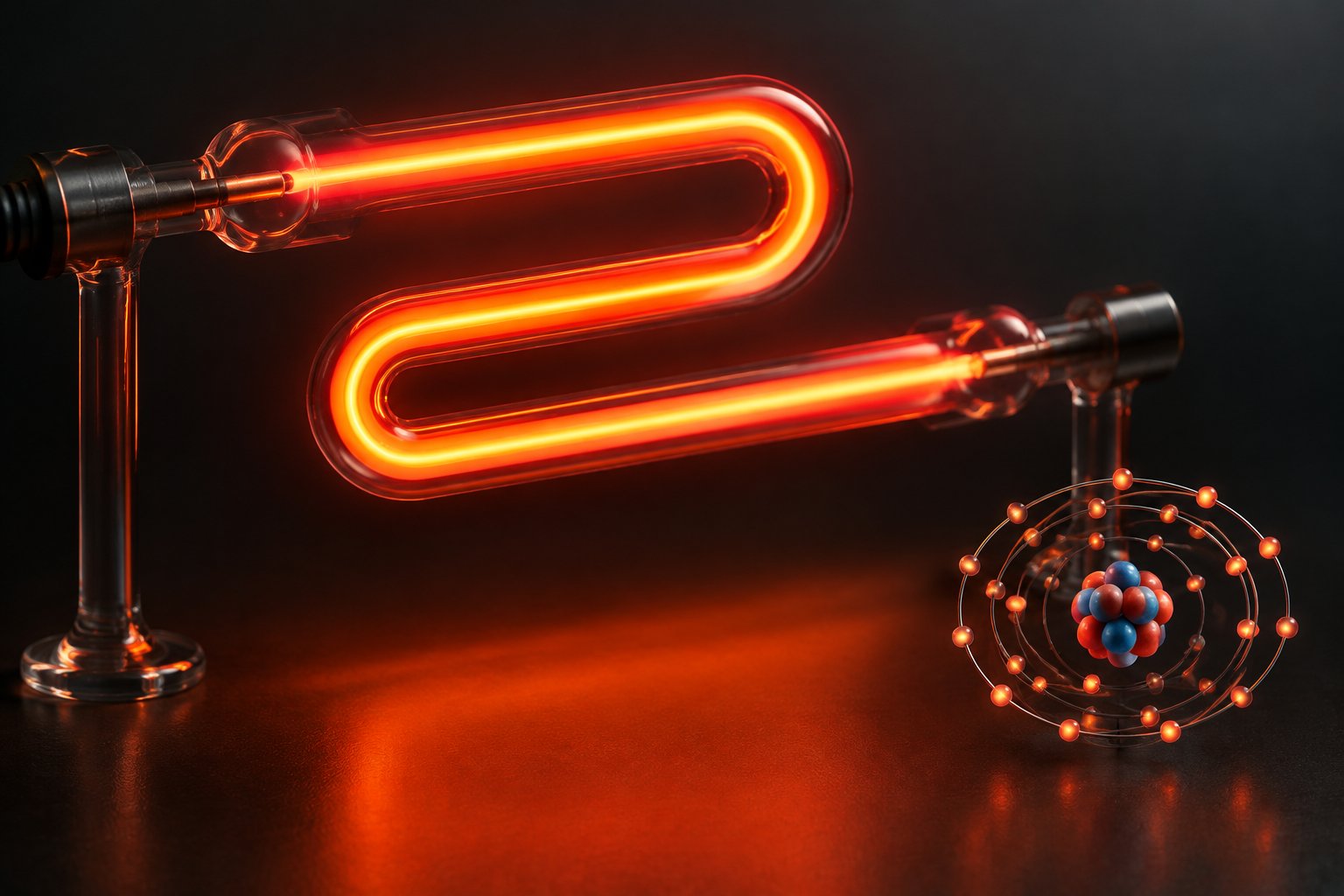
Neon is element number 10 on the periodic table, and it is the reason classic neon signs glow. The element in a traditional neon sign is neon gas (Ne), a noble gas that gives off a red-orange glow when high-voltage electricity passes through it inside a sealed glass tube. Every other “neon” colour you have seen comes from different gases, coated glass, or modern LED technology.
At GlowX, we build custom LED neon signs that recreate that famous look without gas or glass. If you know how the element works, it becomes easier to decide what kind of neon lighting suits your wall, shop, or event. You will also see why so many people now choose LED for homes and businesses.
If you already have wording or a logo in mind, send it to us at info@glowx.ca for a free mockup and custom quote, delivered across Canada and worldwide.
What Is Neon, and What Makes It a Noble Gas?
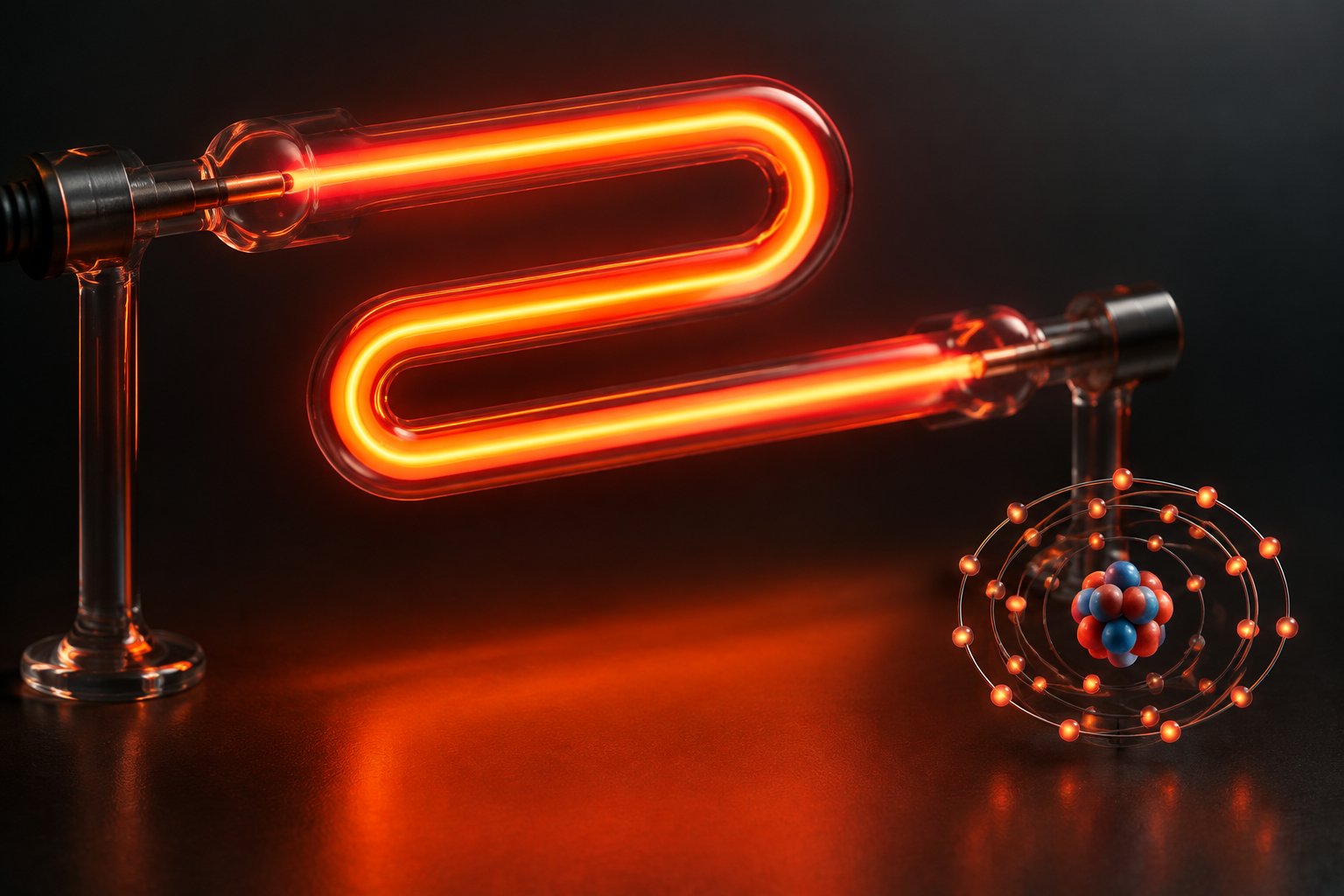
Neon (Ne) is a chemical element with atomic number 10. It sits in Group 18 of the periodic table alongside the other noble gases: helium, argon, krypton, xenon, and radon. Under normal conditions, neon gas is colourless, odourless, and tasteless. It has roughly two-thirds the density of air.
Neon counts as a noble gas because its outer electron shell is full. Its atoms have no chemical pull to bond with other elements, so neon stays inert and exists as single atoms (chemists call this monatomic). Britannica and the Royal Society of Chemistry both describe it as one of the least reactive elements known.
Key facts at a glance:
| Property | Neon |
|---|---|
| Symbol | Ne |
| Atomic number | 10 |
| Group | 18 (noble gases) |
| State at room temperature | Gas |
| Natural source | Trace amounts in air, some trapped in rock |
| Stable isotopes | Neon-20, neon-21, neon-22 |
Neon-20 makes up the large majority of natural neon. Neon is plentiful in the universe, but on Earth it occurs only in tiny amounts in the atmosphere. Producers collect it as a by-product of separating air, and a few tonnes a year cover commercial demand.
That inertness explains why neon works so well in signs. The gas will not react with the glass or electrodes, so a sealed tube keeps its fill for years.
How Does Neon Gas Make a Sign Glow?
Neon glows when electricity energizes its atoms and they release that energy as visible light. Traditional neon signs are gas-discharge tubes: lengths of glass tubing bent into letters, emptied of air, filled with low-pressure neon, and sealed with an electrode at each end.
When a transformer sends high voltage across the electrodes, the gas ionizes. Electrons race through the tube and collide with neon atoms, knocking the atoms’ own electrons into higher energy levels. As those electrons drop back, each atom emits light at specific wavelengths. For neon, most of that light falls in the red and orange range, which produces the signature red-orange glow.
Pure neon makes only that one colour. Sign makers get the rest of the palette in other ways:
- Argon, often with a trace of mercury, gives blue light.
- Helium produces a pinkish tone.
- Krypton and xenon give paler whites and lavenders.
- Phosphor coatings inside the glass convert light into greens, yellows, and whites.
- Coloured glass filters the glow into other shades.
So many “neon” signs contain little or no neon at all. Early viewers called the first signs “liquid fire” because the tubes stay visible even in daylight. Glass neon still has fans for that warm, continuous line, but it needs high voltage, skilled glass benders, and careful handling.
Do LED Neon Signs Contain Neon Gas?
LED neon signs contain no neon gas. They use rows of small LEDs set inside a flexible tube that diffuses the light into a smooth, even line, imitating glowing glass.
Our signs follow that build: flexible LED lighting inside a diffusing tube, mounted on custom neon sign acrylic backing. The sign plugs into a standard outlet through a power adapter. Compared with traditional neon signs, LED neon is lighter, less fragile, and cooler-running, so it suits bedrooms, cafés, and signs that travel between events.
| Feature | Traditional glass neon | LED neon |
|---|---|---|
| Light source | Electrified gas | LEDs |
| Tube material | Glass | Flexible diffusing tube |
| Colour method | Gas type, coatings, tinted glass | LED colour and tube jacket |
| Weight | Heavier | Lighter |
| Breakability | Fragile | Less fragile |
| Colour-changing | Limited | RGB available |
Colour is where LED pulls ahead for most custom projects. You can choose a single fixed colour, mix fixed colours between words or lines, or go for custom neon signs color changing through RGB 7 colour or RGB full gradient with more than 16 million colours and scene modes. Every GlowX sign ships with a power adapter, dimmer or remote, hanging hardware, and instructions, so a custom neon sign with remote is standard.
Tubing can carry a white silicone jacket for a softer look or a coloured jacket that shows its colour even when switched off.
How Did Neon Go From Discovery to Storefront Signs?
Neon reached storefronts through two steps: a laboratory discovery in 1898 and a commercial lighting breakthrough about a decade later. British chemists William Ramsay and Morris W. Travers isolated neon in London by cooling air into a liquid and boiling off its components one by one. This method is fractional distillation of liquefied air.
Ramsay and Travers found neon, krypton, and xenon in quick succession. These rare gases were what remained in dry air after nitrogen, oxygen, argon, and carbon dioxide were removed. When they electrified neon in a tube, the intense crimson glow became its defining trait. The name comes from the Greek neos, meaning “new.”
Glowing tubes already existed. The Moore tube, an early commercial lamp, used nitrogen or carbon dioxide and appeared in shops in the early 1900s. It was difficult to maintain, though.
French engineer Georges Claude changed that. His company, Air Liquide, separated air on an industrial scale, which left neon as a ready by-product. Claude developed durable electrodes and showed neon tubes in Paris in 1910. Neon advertising spread through Europe and then to North America in the 1920s, where it shaped city streets, roadside diners, and later Las Vegas.
Today’s LED neon carries that visual language forward with a different light source.
Where Else Is Neon Used Beyond Signs?
Neon does far more than light up signs, because its stable glow and extreme cold properties suit several technical jobs.
- High-voltage indicators: small neon lamps glow at a set voltage, so they appear in voltage testers, switch indicators, and older electronics.
- Gas discharge tubes and vacuum tubes: neon has helped regulate voltage and protect circuits, including in lightning arresters.
- Helium-neon lasers: these red lasers have served in barcode scanners, alignment tools, and teaching labs.
- Neon lasers in chipmaking: neon serves as the main buffer gas in excimer lasers that print patterns onto computer chips, which accounts for most neon demand today.
- Cryogenics: liquid neon boils at about -246 °C. It offers far more refrigerating capacity per volume than liquid helium for some cooling tasks.
- Specialist equipment: neon also appears in some diving gas mixtures and aircraft beacons.
The semiconductor role surprises most people. A gas famous for bar signs now supports the electronics in nearly every phone and laptop.
Choose the Right Glow for Your Custom Sign
Neon gas gives glass signs their red-orange glow, while custom LED neon signs deliver the same look with LEDs, more colour choice, and lighter construction. For most homes, events, and businesses, LED is the practical pick.
A few starting points for your design:
- Custom neon signs for room decor: Medium (20–24 in / 50–60 cm) is our most popular wall size for bedrooms and home offices.
- Custom neon signs for events: weddings and parties often call for Large (28–36 in) or XL (40 in+) backdrops, with names or a shared surname.
- Custom neon signs business logo: send vector files (AI, EPS, SVG, or PDF), and expect fine detail to be simplified so the sign stays readable.
- Outdoor placement: tell us whether the location is a covered patio or exposed storefront so we can confirm a suitable build.
Customers ordering custom neon signs Canada-wide, including custom neon signs Toronto, follow the same process. Share your idea, review a free mockup, then approve the design and final price before production. Production takes 10 to 12 days after approval, and shipping time is additional.
For a custom neon sign quote, email your wording or logo, size, colours, location, and deadline to info@glowx.ca.
Conclusion
Neon is a noble gas with atomic number 10, and its electrified atoms give traditional glass signs their red-orange glow. Other colours in glass signage come from argon, phosphor coatings, and tinted glass, and LED neon recreates the entire look without any gas. Neon’s discovery in 1898 led to Georges Claude’s 1910 Paris tubes and, later, to lasers, cryogenics, and chipmaking.
To plan your own sign, measure the wall and note the outlet location before requesting a mockup. Then pick static colours or RGB, and send us your idea to start production.
Related reading: customize your own sign, LED neon vs glass neon, neon sign decor ideas, neon sign gift ideas, custom neon signs, neon signs aesthetic, neon signs for business.
Neon Signs Depot vs. GlowX: 2026 Buying Guide
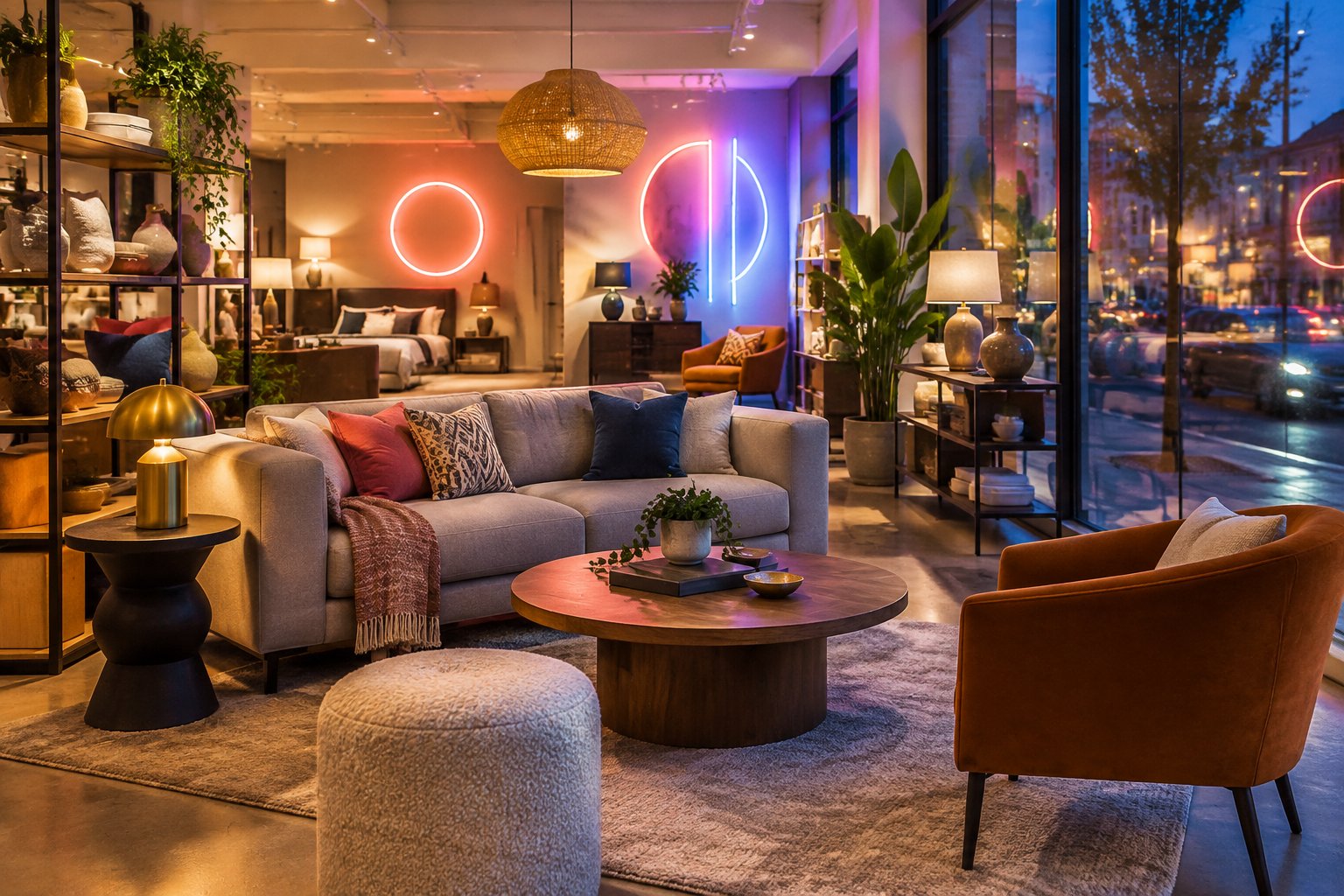
Neon Signs Dunelm: Designs, Prices and Custom Options 2026
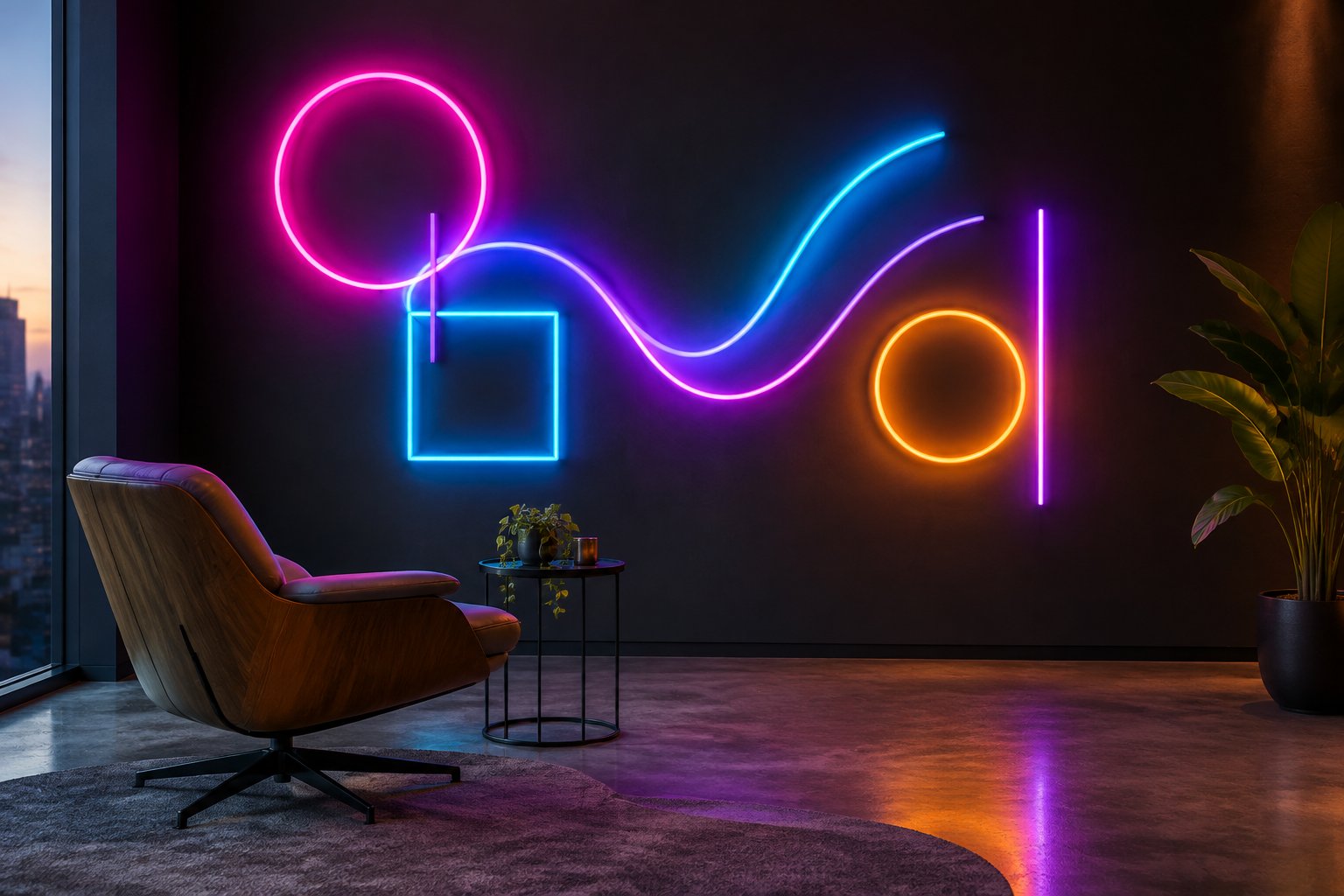
Neon Signs Decor: Room Ideas and Custom Design Tips

Neon Signs Guy: Find the Right Custom Sign Maker
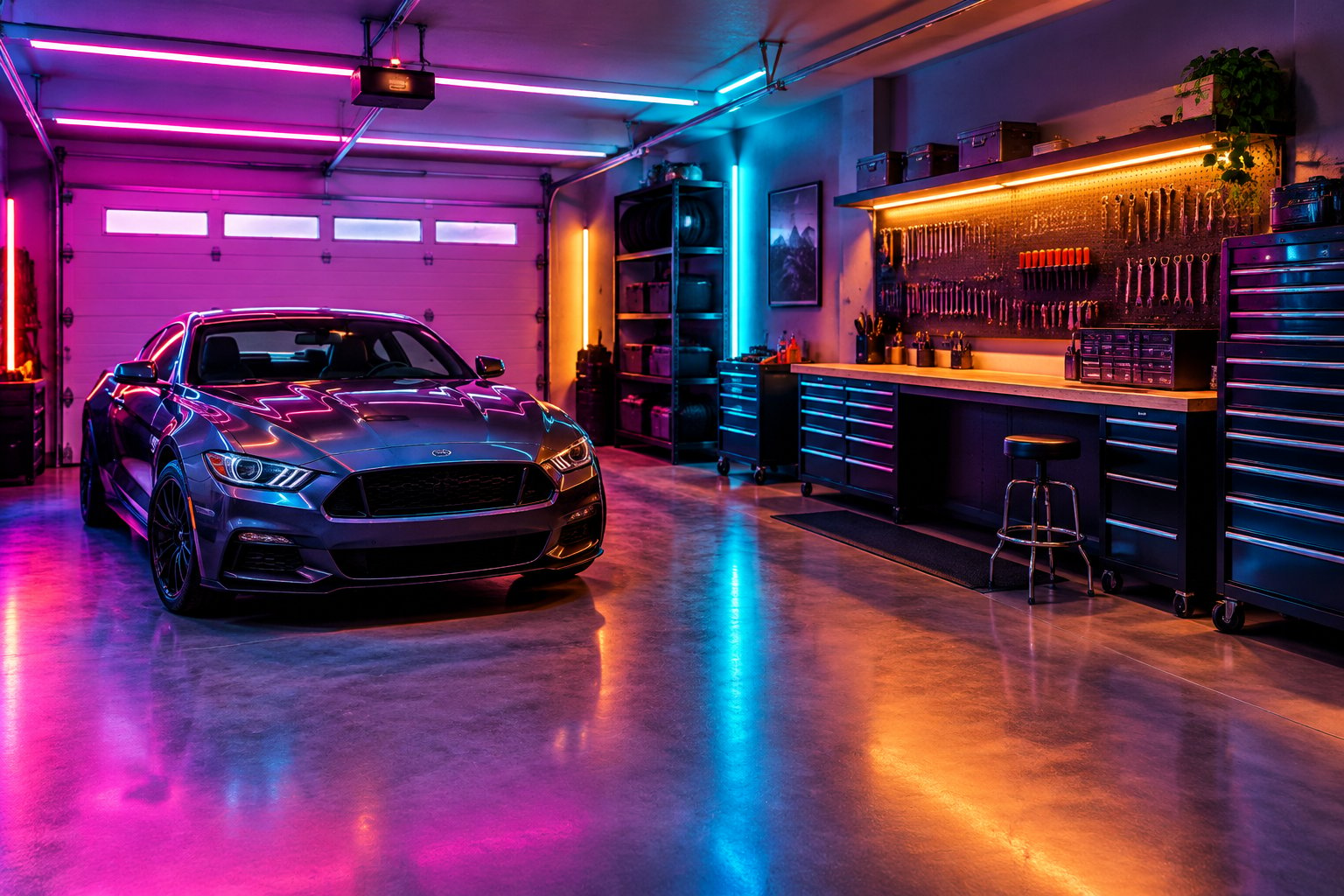
Neon Signs Garage: Custom Ideas and Buying Guide
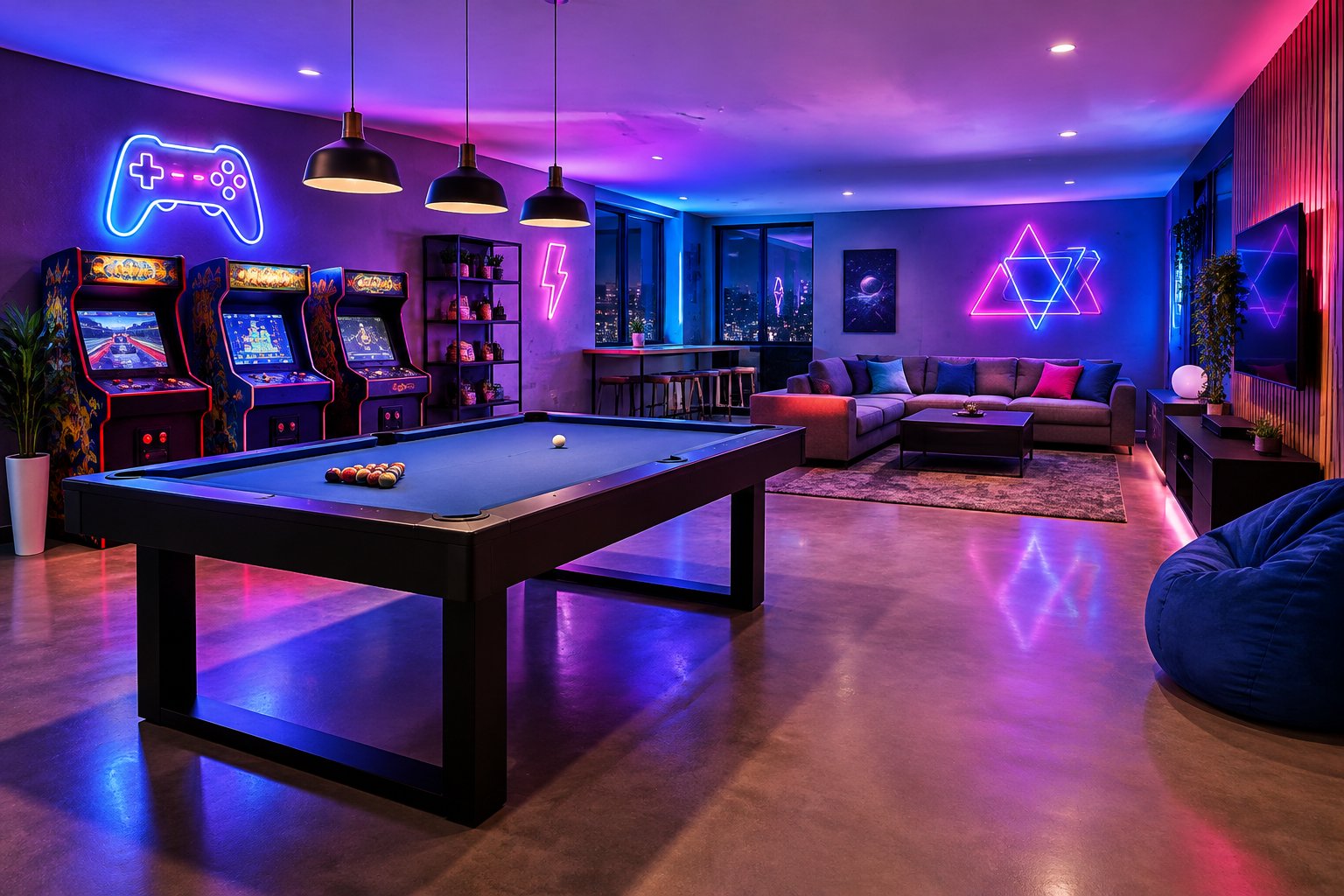
Neon Signs Game Room: Custom Design and Setup Guide

Neon Signs for Classroom: Ideas, Design, and Setup
Neon Signs for Home: Room Ideas and Custom Design Tips
Neon Signs Edmonton Alberta: Custom LED Buying Guide