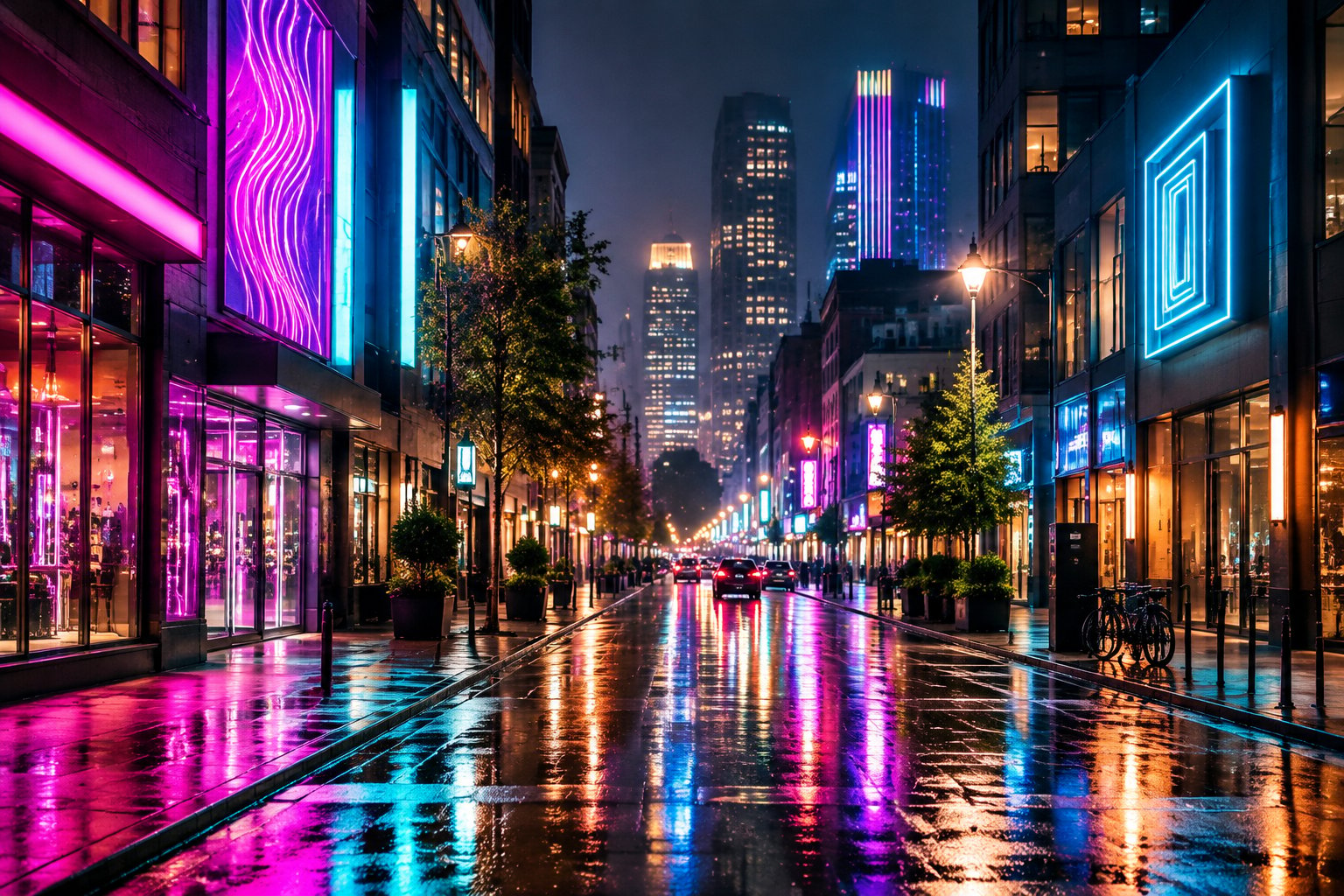
A neon sign makes light by running electricity through a glowing medium shaped into letters or artwork. In a traditional sign, that medium is gas sealed inside hand-bent glass. In a modern LED neon sign, it is a strip of light-emitting diodes inside a diffusing tube. Both deliver the same unbroken line of colour that has defined illuminated signage for more than a century.
For most homes, events and small businesses, LED neon is the better choice: it is lighter, less fragile and cooler-running than glass neon, and it supports colour-changing and dimmable effects. Glass neon still has a place for heritage restorations and collectors who want the authentic gas glow.
At GlowX, we build made-to-order LED neon signs for customers across Canada and worldwide. We see the same questions come up again and again: what is inside the tube, why the colours differ, and which build suits a bedroom versus a storefront. With the basics clear, you can choose a sign with confidence. When you have an idea in mind, send it to info@glowx.ca for a free mockup and quote.
How Do Traditional Neon Signs Produce Light?
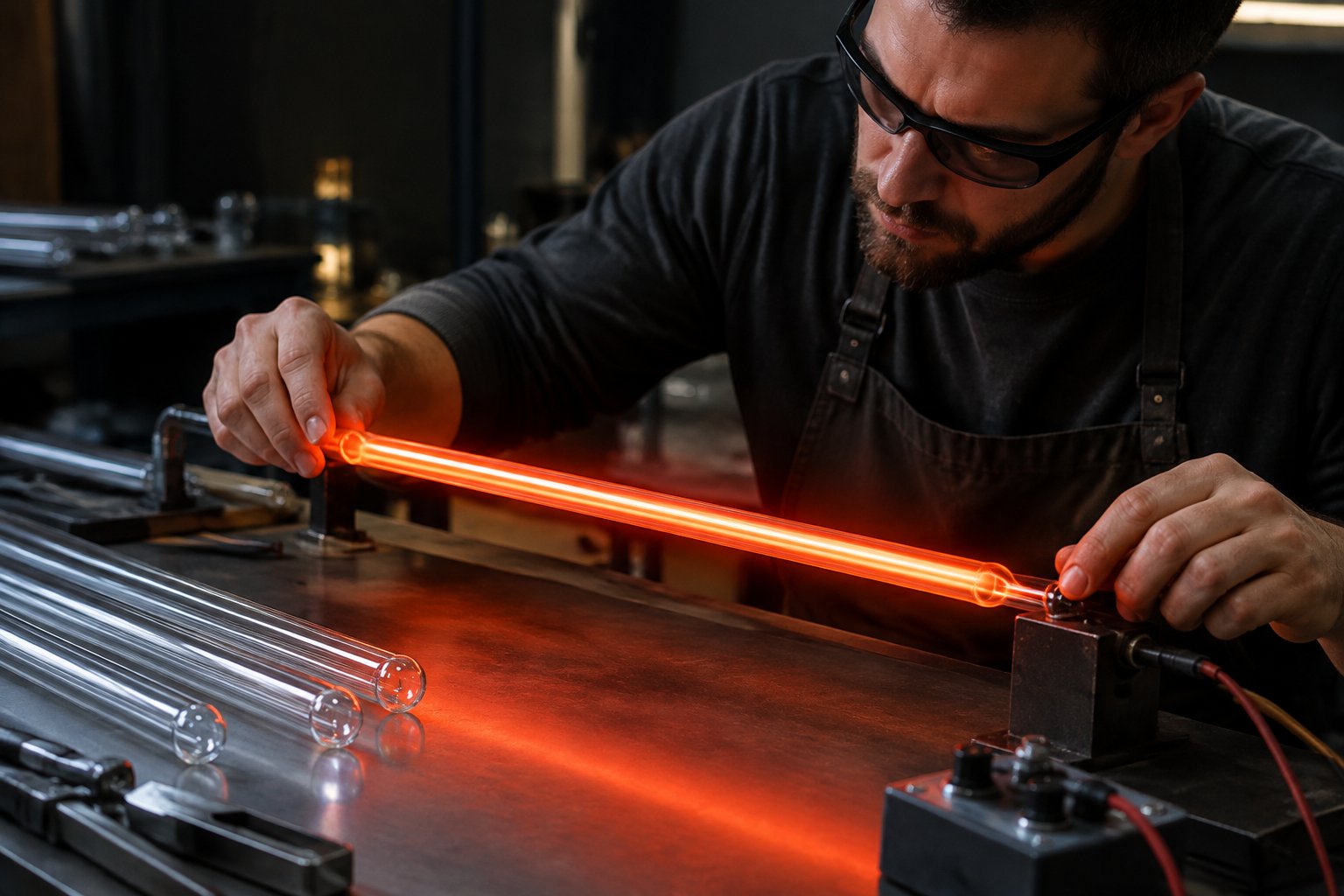
Traditional neon signs glow through gas discharge. A high-voltage electric current passes through a low-pressure noble gas sealed inside a glass tube. The process works like this:
- Bending the glass. A skilled glass bender heats straight glass tubes and shapes them by hand into letters or artwork.
- Adding electrodes. Metal electrodes are sealed into each end of the tube.
- Evacuating and filling. Air is pumped out, and the tube is refilled with a small amount of neon gas or another noble gas at well below atmospheric pressure.
- Applying voltage. A transformer sends several thousand volts (roughly 3 to 15 kV) across the electrodes.
When current flows, it ionizes the gas. Electrons collide with neon atoms and push them into an excited state. As each atom drops back to its normal energy level, it releases a photon of light. Pure neon emits that famous orange-red.
Neon tubes are a form of cold-cathode lighting. The electrodes do not need to be heated to a glowing filament, so the tube itself runs relatively cool. The transformer and high-voltage wiring are the parts that need careful handling. A cracked tube lets air in and ends the glow, which is why glass neon calls for a specialist to repair it.
Why Do Neon Lights Come in Different Colours?
Neon lights get their colours from two sources: the gas inside the tube and any coating on the glass. Only the orange-red tubes contain pure neon. Most other colours start with a different gas or with a phosphor layer.
| Source |
Colour produced |
| Neon |
Orange-red |
| Argon gas (with a trace of mercury) |
Blue |
| Helium |
Pinkish white to pale gold |
| Krypton |
Greyish white to pale green |
| Xenon |
Faint lavender to blue |
Phosphor coatings expand the palette dramatically. The inside of the tube is coated with a phosphor powder, and argon’s ultraviolet output makes the coating glow. Fluorescent lamps use the same principle. Sign makers combine coatings with gases and tinted glass to produce hundreds of shades, from soft pinks to vivid greens.
LED neon takes a simpler route. The colour comes from the LEDs themselves and the jacket around them. Our listed tube colours include Natural White, Pure White, Red, Green, Blue, Yellow, Purple, Pink, Orange, Rose Red, Ice Blue and Lemon Yellow. A white silicone jacket gives a softer look when the sign is off. A coloured jacket shows its hue even when unplugged, which suits displays that sit in daylight.
How Does LED Neon Compare with Glass Neon?
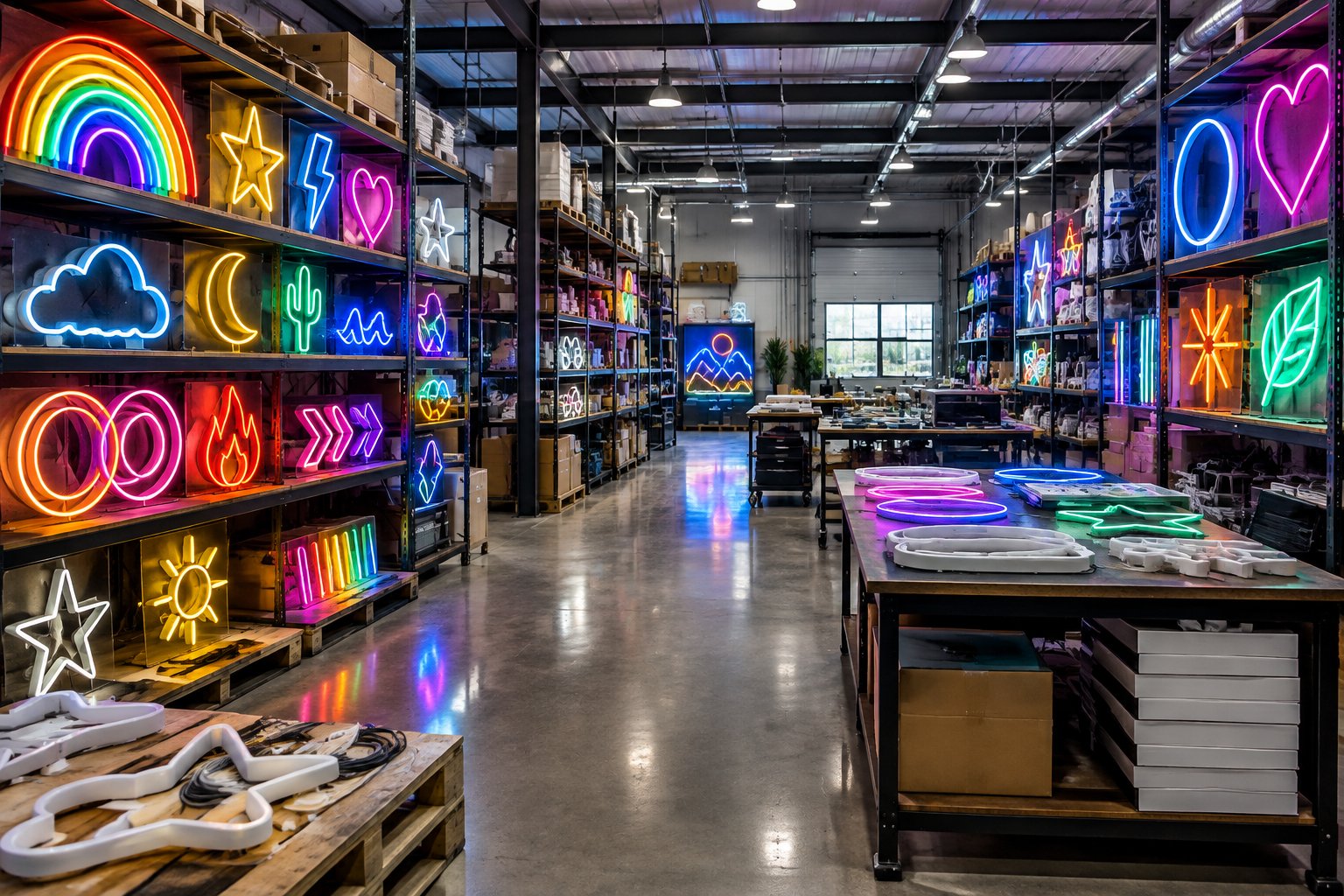
LED neon matches the look of glass neon while using low-voltage light-emitting diodes inside flexible, diffused tubing. Glass neon offers an authentic gas glow but requires hand-bent glass and high voltage.
| Criteria |
LED neon |
Glass neon |
| Weight |
Light |
Heavy |
| Fragility |
Low |
High (breakable glass) |
| Operating voltage |
Low-voltage power supply |
Thousands of volts |
| Colour changing |
Yes (RGB options) |
No |
| Dimmable |
Yes, with dimmer or remote |
Limited |
| Transport between events |
Easy |
Risky |
Are neon signs safe? Both types are safe when installed correctly. LED neon runs cooler and avoids glass and high-voltage transformers, which makes it practical around children, in rentals and in signs that travel. Every GlowX sign ships with a power adapter, a dimmer or remote, hanging hardware and instructions.
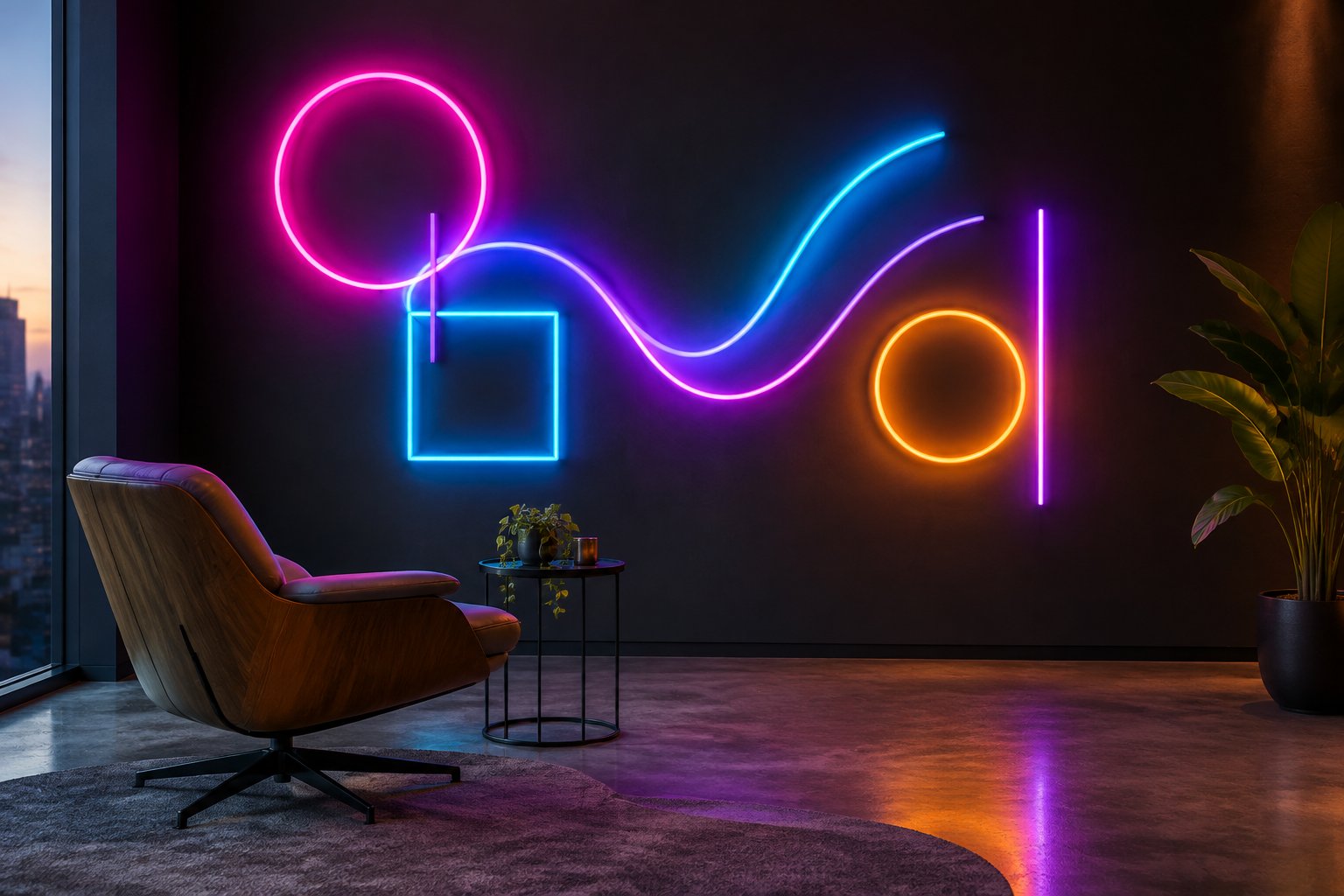
Custom neon signs with colour-changing effects are where LED pulls ahead. Our RGB 7 colour option cycles through shades by remote. RGB full gradient offers more than 16 million colours with app control and scene modes.
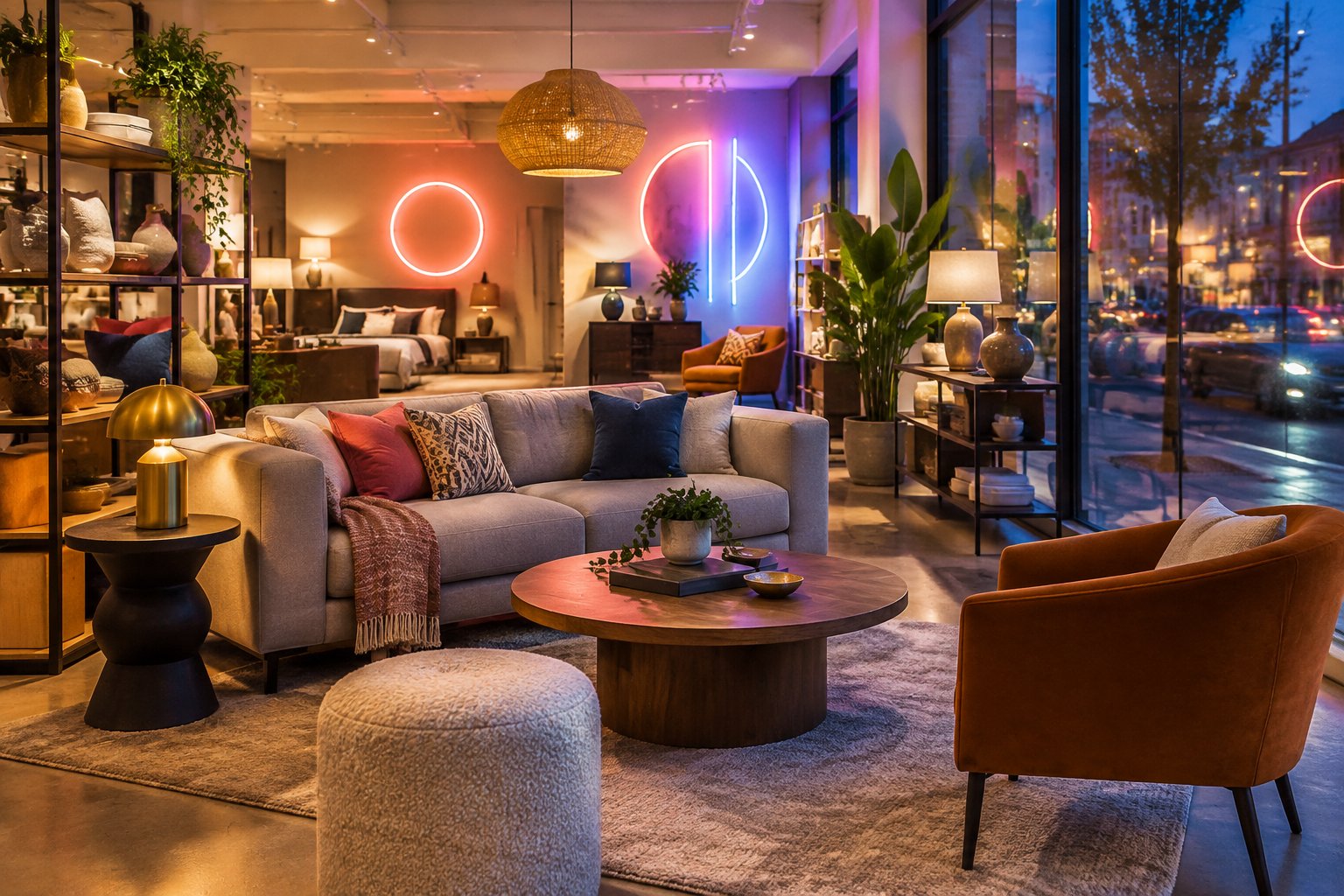
Choosing between custom neon or LED signs comes down to purpose. Pick glass for restoration projects or a vintage piece where the gas glow is the point. Pick LED for a bedroom, a wedding backdrop or a café wall. For a deeper breakdown, read our guide on LED neon vs glass neon.
How Did Neon Become a Signage and Art Form?
Neon grew from a 19th-century laboratory curiosity into a worldwide advertising medium and then into a recognized art form.
- Geissler tube (1850s onward): Sealed glass tubes of rarefied gas glowed when voltage was applied to their electrodes. They were popular novelties in the late 1800s.
- Moore tube (1890s): Daniel McFarlan Moore built long gas tubes for commercial lighting, an early step toward practical illuminated signage.
- Discovery of neon (1898): William Ramsay and Morris W. Travers isolated neon, along with krypton and xenon, in London.
- Georges Claude (1910): The French engineer demonstrated modern neon lighting at the Paris Motor Show. The first commercial neon sign followed in 1912 above a Paris barber shop.
Neon signage then spread quickly. By 1940, downtowns across nearly every US city glowed with neon, and Times Square became famous for it. Canadian main streets followed the same trend through the mid-century.
As plastic box signs and later plasma displays and LED screens took over advertising, artists kept neon alive. Neon art moved into galleries, and preservation projects such as the Neon Museum in Las Vegas now protect historic signs. LED neon carries that visual language into homes, weddings and modern storefronts.
How Do You Design and Order a Custom Neon Sign?
To order a custom neon sign, you share your idea, review a free mockup and quote, and approve every detail before production starts. The decisions that shape your sign are its size, colour and lighting, backing and location, followed by a clear production timeline.
Start With Your Idea and Purpose
The setting determines most design choices. Custom neon signs for your room lean toward names, quotes and soft colours; see our Wall Art Signs for bedroom, gaming and home bar ideas. Custom neon signs for weddings and events often feature surnames, initials or romantic phrases that become keepsakes afterward, as in our Wedding Signs.
For a custom neon sign with a business logo, send vector files (AI, EPS, SVG or PDF). Fine lettering, gradients and intricate details may need simplifying so the sign stays readable. Browse Custom Logo Signs and Business Signs for examples, or start from Custom Signs and Personalized Signs.
Choose Size, Colour and Lighting
| Size |
Dimensions |
Typical use |
| Small |
12–16 in / 30–40 cm |
Shelf or desk accent |
| Medium |
20–24 in / 50–60 cm |
Popular wall size |
| Large |
28–36 in / 70–90 cm |
Statement wall piece |
| XL / Business |
40 in+ / 100 cm+ |
Storefront or event signage |
Measure the full wall, including room for the backing, nearby furniture and the route to the outlet. For lighting, choose static single colour, static multicolour, RGB 7 colour or RGB full gradient.
Pick the Custom Neon Sign Acrylic and Mounting
- Clear cut-to-shape acrylic: follows the design so the backing almost disappears.
- Rectangle plaque: a classic panel with a visible border.
- Decorative shapes: cloud, circle, hexagon, heart or arch.
- Engraved or frosted acrylic: etched detail suited to photo-style pieces.
Finishes include clear, black, white and mirror. Signs can be wall-mounted, suspended or freestanding. Custom neon signs for outdoor use need a waterproof build, so tell us whether the location is a covered patio or an exposed storefront.
Review Your Custom Neon Sign With Preview and Quote
Our process page states that a visual mockup and exact custom price arrive within 24 hours. Check spelling, accents, line breaks, colours and dimensions carefully. Production begins only after you approve the design and final price.
Custom neon signs cost more or less depending on size, wording, artwork complexity, colours, lighting features, backing and outdoor protection, plus shipping and taxes. Website prices are starting prices.
Plan Production, Shipping and Installation
Production takes 10 to 12 days after design approval, with shipping on top. Customers ordering custom neon signs in Canada, including Toronto, and abroad should confirm the delivery estimate for their address. International buyers are responsible for any customs duties unless agreed otherwise in writing.
For custom neon sign installation, test the sign before mounting, use fixings rated for your wall, and keep the adapter ventilated. In Ontario, use a licensed electrician for hardwired or outdoor electrical work.
Choose the Glow That Fits Your Space
Glass neon produces light by exciting noble gas with high voltage, while LED neon recreates that glow with low-voltage diodes in diffused tubing. Gas and phosphor coatings set the colours in glass tubes; LEDs and jackets set them in modern signs.
For bedrooms, weddings, events and most businesses, LED neon signs are the practical pick thanks to lighter weight, durability, dimming and RGB options. Glass suits restorations and vintage collectors.
Before you request a quote, gather your exact wording or logo, approximate width and height, preferred colours, backing, installation location and required date. Send those details to info@glowx.ca, or shop the full range to compare custom neon signs before you decide.