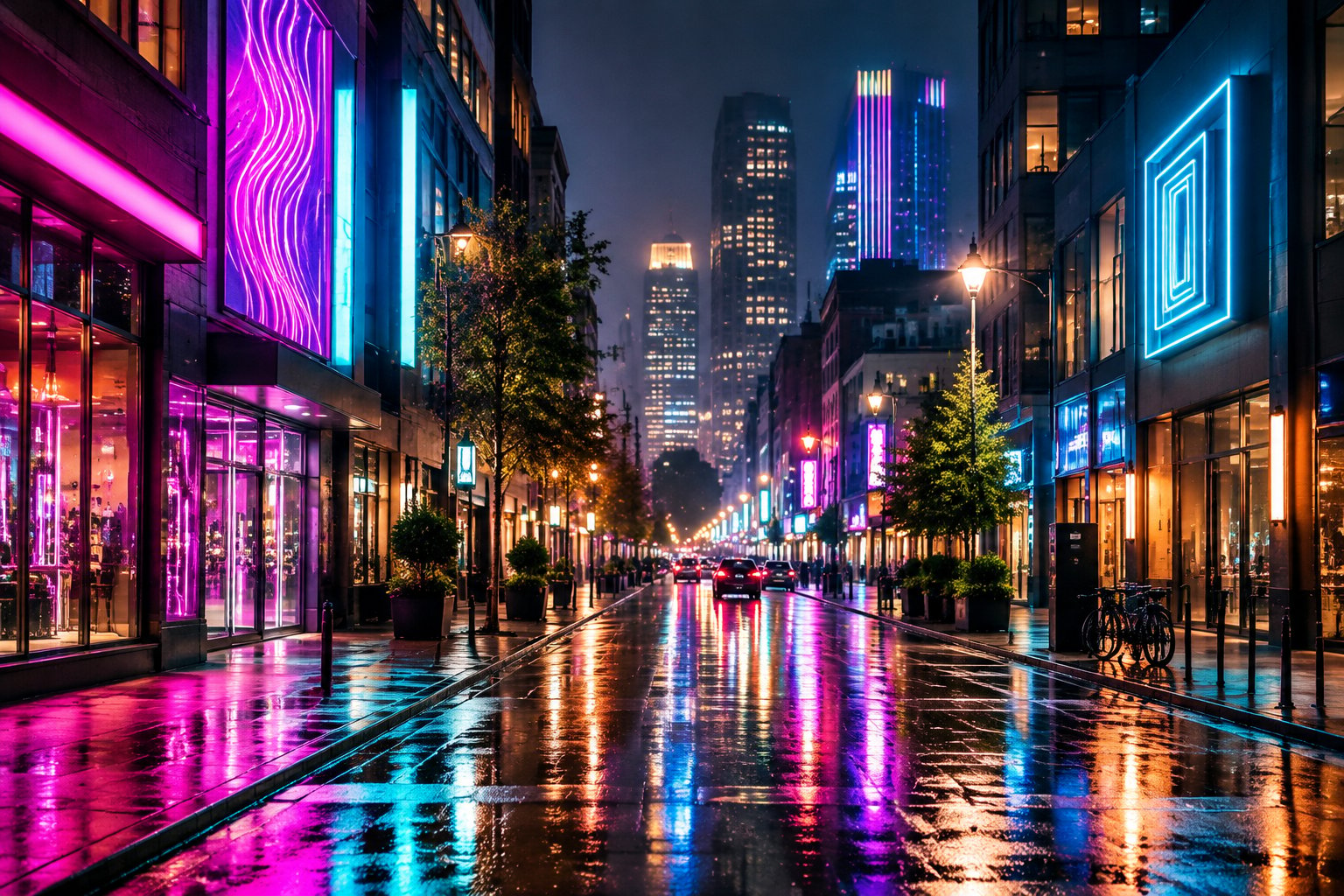
Real glass neon has a glow that collectors still chase: hand-bent tubes, sealed gas, and light that radiates in every direction. For most homes, events, and storefronts, though, the practical question is which material will look right on your wall and keep working without fuss. At GlowX, we build made-to-order LED neon signs across Canada, so we field this glass-versus-LED question daily from people planning bedrooms, weddings, and shop windows.
For most buyers, LED neon is the better choice: it gives the classic neon look in a lighter, less fragile, cooler-running sign, while real glass neon suits collectors and heritage businesses who want the authentic gas-filled original. Glass is the craft piece; LED is the everyday workhorse for a custom neon sign that hangs in a kid’s room, travels between events, or lights a café counter.
Once you know what each material does well, you can pick the right build, budget, and timeline with confidence. If you already have wording or a logo in mind, send it to info@glowx.ca, and we’ll return a free mockup and custom quote.
What Makes Real Glass Neon Different?
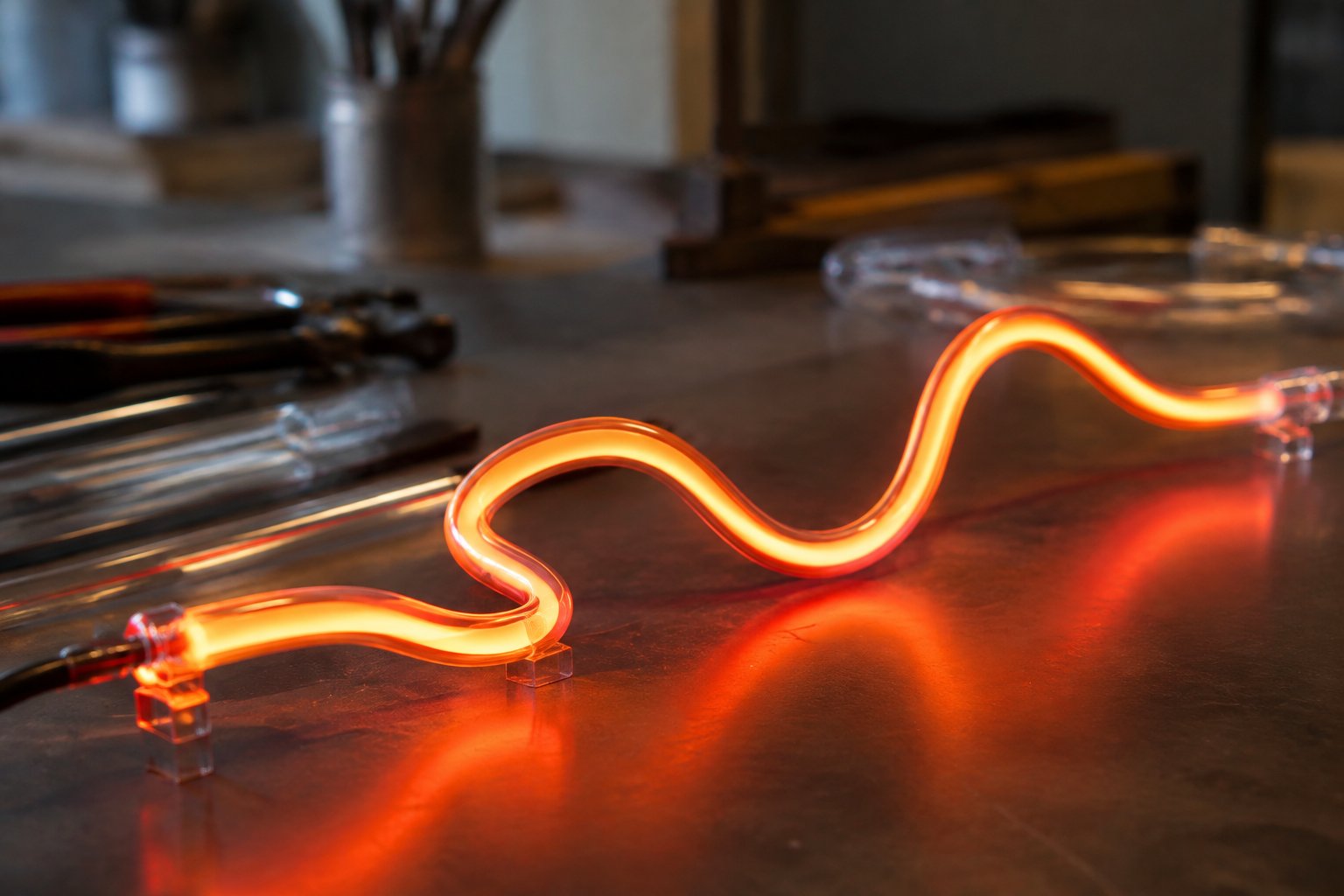
Real glass neon is a sealed glass tube filled with low-pressure gas that glows when high voltage passes through it. Neon gas produces red-orange light, and argon (often with a coating or coloured glass) produces most other colours. Some yellows, for example, depend on the glass colour itself.
Traditional glass neon signs are handmade. A skilled bender heats each tube over a flame, shapes it letter by letter, fits electrodes, then pumps out the air and fills it with gas. The craft dates back to the early 1900s, and the first neon sign appeared in London’s Piccadilly Circus in 1923.
That process gives glass neon signs a few defining traits:
- A 360-degree glow from a bare tube, with a warm, slightly uneven character many people love.
- High-voltage transformers, often in the thousands of volts, to light the gas.
- Weight and fragility, since the tubes are thin glass.
- Heat and a faint hum during operation in many installations.
- Limited shapes, because tight curves and tiny lettering are hard to bend.
LED neon recreates the look with flexible LED strips inside a diffusing tube mounted on acrylic. Our signs use this construction, which is why they’re lighter and safer to handle in homes, schools, and event venues.
Should You Choose Glass or LED Neon for Your Space?
Choose LED neon if the sign goes in a home, rental, event, or busy business; choose traditional glass neon signs if authenticity is the whole point of the purchase.
| Criteria | Real Glass Neon | LED Neon |
|---|---|---|
| Weight | Heavy | Light |
| Durability | Fragile glass | Flexible, less fragile |
| Heat | Runs warm | Cool-running |
| Colour options | Limited by gas and glass | Fixed colours, RGB, 16M+ gradient |
| Portability | Poor | Travels well between events |
| Character | Vintage, handcrafted | Clean, consistent glow |
Some practical guidance by setting:
- Bedrooms, kids’ rooms, and game rooms: LED wins on safety and cool surfaces. Custom neon signs for kids and gamers are almost always LED.
- Weddings and events: A custom neon sign for a wedding backdrop needs to be packed, moved, and reused. LED handles that easily.
- Restaurants, gyms, and salons: LED offers dimmable, colour-changing options and simpler setup.
- Vintage bars, museums, and heritage storefronts: Glass delivers the genuine article, with the maintenance that comes with it.
Our LED Neon vs Glass Neon guide covers more of the technical differences.
How Do You Customize the Wording, Logo, and Finish?
You customize any sign by choosing wording or artwork, then font, size, colour, lighting, backing, and mounting. A custom glass neon sign follows similar steps, but fine scripts and detailed logos are restricted by what a bender can shape in glass. LED tubing bends more easily, so intricate designs translate more readily.
For a GlowX custom neon sign, the options include:
- Wording and font: a name, phrase, or initials from our font library or your own reference, including script or Old English-style lettering.
- Logo: vector files (AI, EPS, SVG, or PDF) work best. Fine lines and gradients may need simplifying so the sign reads clearly.
- Colour: Natural White, Pure White, Red, Green, Blue, Yellow, Purple, Pink, Orange, Rose Red, Ice Blue, and Lemon Yellow.
- Lighting: static single colour, static multicolour, RGB 7 colour, or RGB full gradient with app and remote control.
- Backboard: clear cut-to-shape, rectangle plaque, decorative shapes (cloud, heart, arch), or engraved acrylic in clear, black, white, or mirror.
A practical tip from our design reviews: check spelling, accents, and line breaks on the mockup twice. Those details are the most common changes requested before approval. Browse Custom Signs or Custom Logo Signs for starting points.
What Affects Custom Sign Costs and Delivery Times?
Size and complexity drive price for every custom neon sign, and a custom glass neon sign costs more because each tube is bent by hand. LED neon reduces labour, so it’s the more affordable route for most projects.
Our quotes depend on:
- Size: Small (12–16 in), Medium (20–24 in), Large (28–36 in), or XL/Business (40 in+).
- Artwork complexity: detailed logos take more tubing and work than a short name.
- Colours and lighting: RGB gradient costs more than a single static colour.
- Backing and mounting: engraved or shaped boards add cost.
- Outdoor protection: waterproof builds for exposed storefronts.
- Shipping and taxes: based on your destination.
Website prices are starting prices. You receive a free mockup and exact custom price within 24 hours, and production begins only after you approve the design and final price.
Production takes 10 to 12 days after design approval, plus shipping. If you’re ordering for a wedding, grand opening, or holiday, tell us your date up front and leave room for revisions and transit. We ship across Canada, including Toronto, Calgary, Vancouver, and Montreal, and worldwide; international buyers are responsible for any customs duties.
What Should You Know About Installation, Safety, and Care?
Glass neon signs need more careful handling than LED, because traditional glass neon signs combine breakable tubes with high-voltage transformers. Many owners hire a professional for glass installs and repairs.
LED neon installs with ordinary tools. Every GlowX sign ships with a power adapter, dimmer or remote, hanging hardware, and instructions. Follow these steps:
- Unpack carefully, inspect, and test the sign before mounting.
- Choose fixings suited to your wall material (drywall, brick, or tile) and the sign’s weight.
- Plan the cable route to the outlet, keeping cords away from walkways and children.
- Leave airflow around the power adapter; don’t cover it with furniture or rugs.
For outdoor or hardwired setups in Ontario, use a licensed electrician and check local permits and landlord rules for exterior commercial signage.
To clean, unplug the sign and wipe it with a soft, dry or slightly damp cloth. Avoid ammonia, alcohol, and abrasive cleaners on acrylic, and never bend or twist the tubing. For storage, keep the original box and padding and store the sign flat. Our Installation and Care FAQ answers common questions.
Choose the Material That Fits Your Sign and Space
Real glass neon is the right pick when you want a handcrafted, vintage original and accept its weight, heat, and fragility. LED neon suits nearly every other situation: bedrooms, weddings, offices, and storefronts that need a durable, colourful, easy-to-install sign.
For a custom neon sign with your name, phrase, or logo, start with the size and location, then decide on colour and backing. Send those details, plus your deadline and delivery address, to info@glowx.ca, and allow 10 to 12 production days after approval plus shipping time.
Related reading
customize your own sign · neon sign decor ideas · neon signs examples · neon signs business guide · neon signs for business
Neon Signs Depot vs. GlowX: 2026 Buying Guide
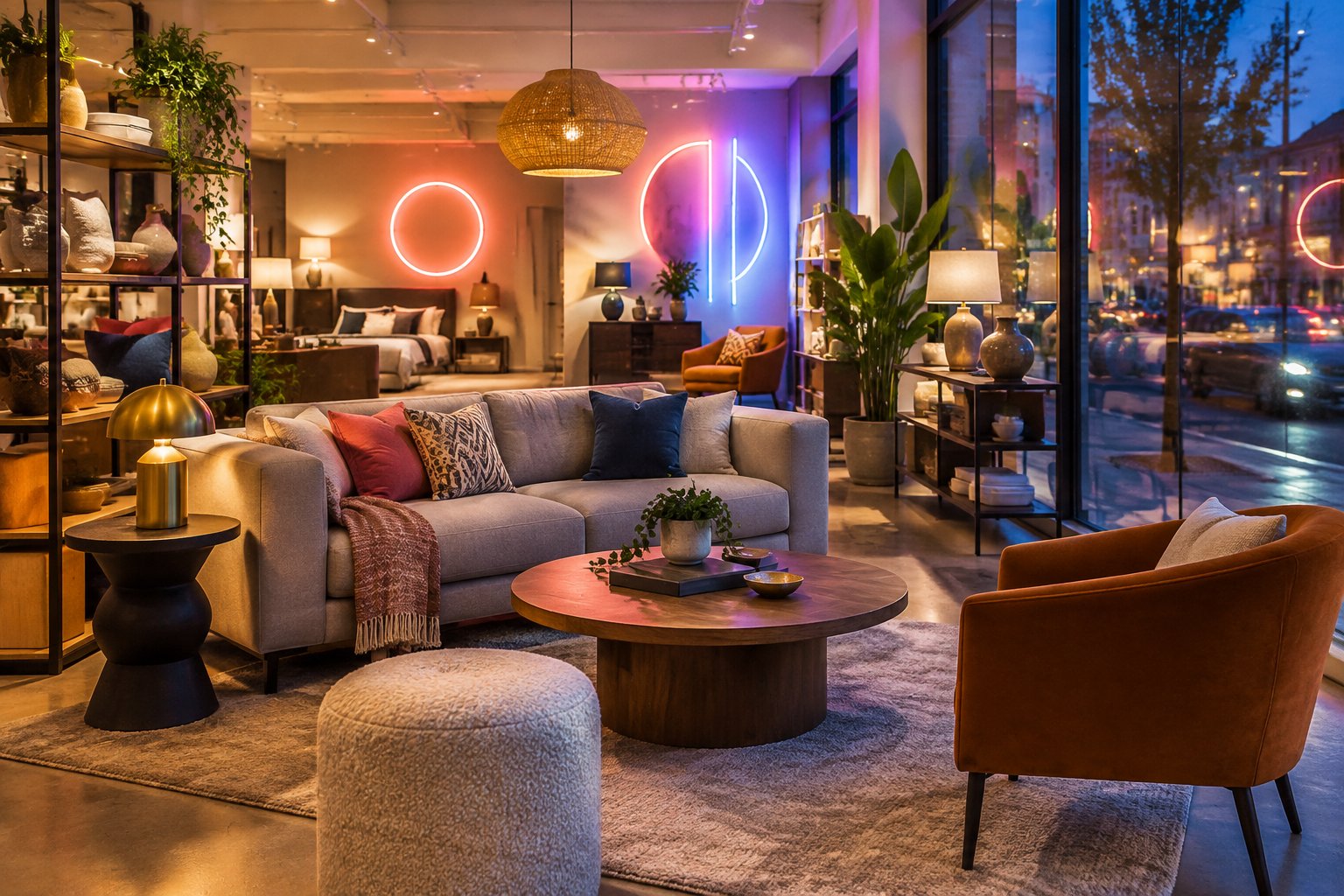
Neon Signs Dunelm: Designs, Prices and Custom Options 2026
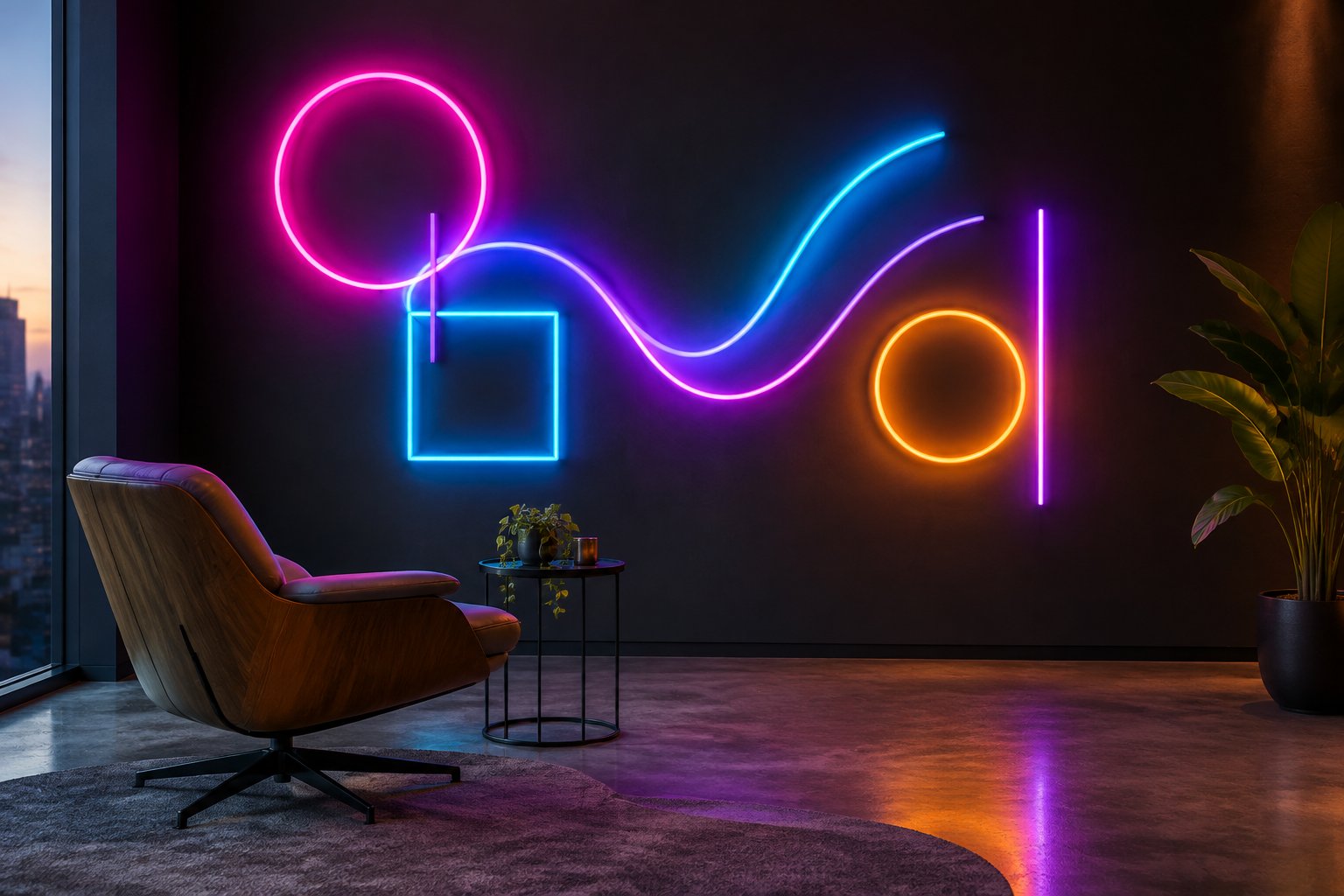
Neon Signs Decor: Room Ideas and Custom Design Tips

Neon Signs Guy: Find the Right Custom Sign Maker
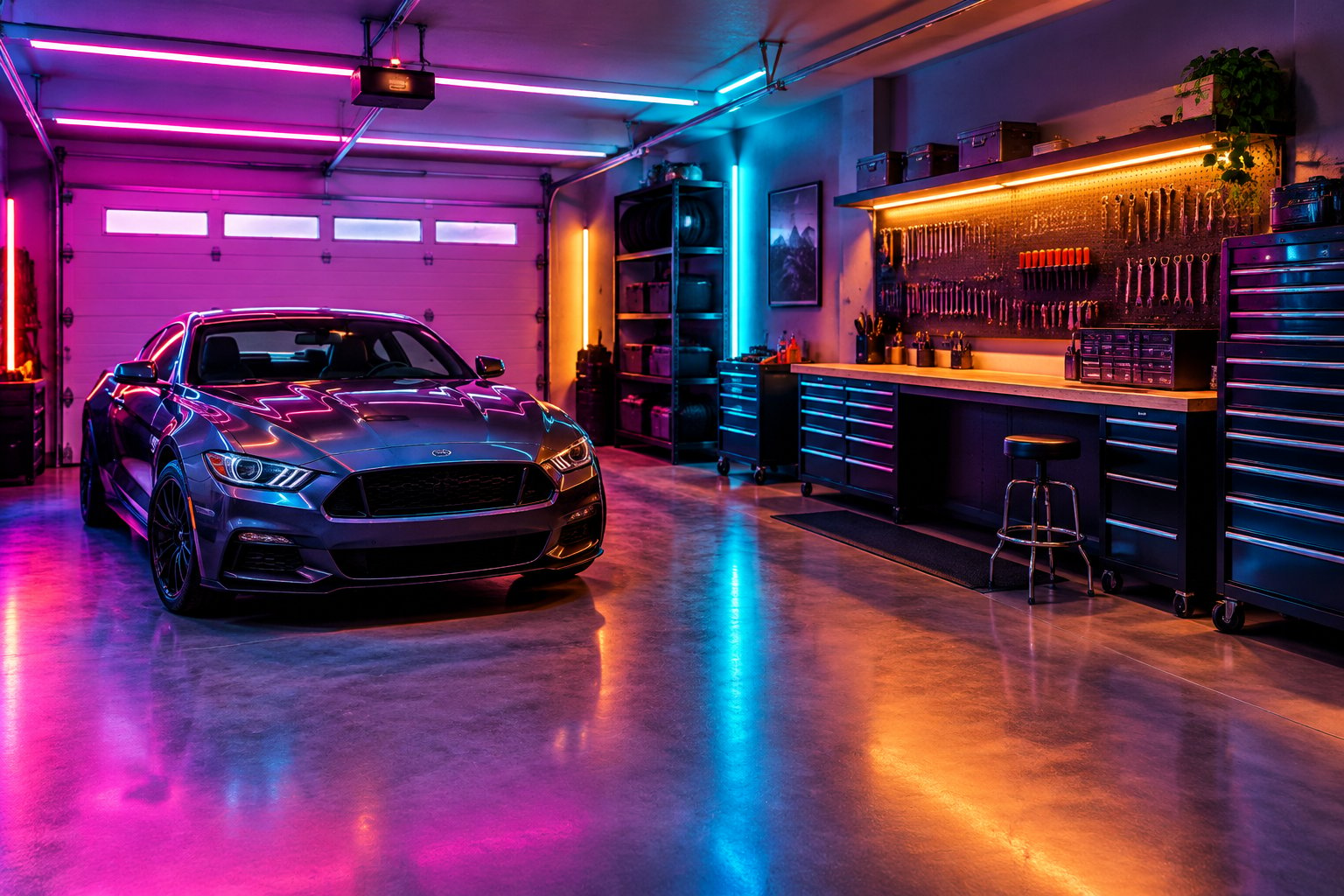
Neon Signs Garage: Custom Ideas and Buying Guide
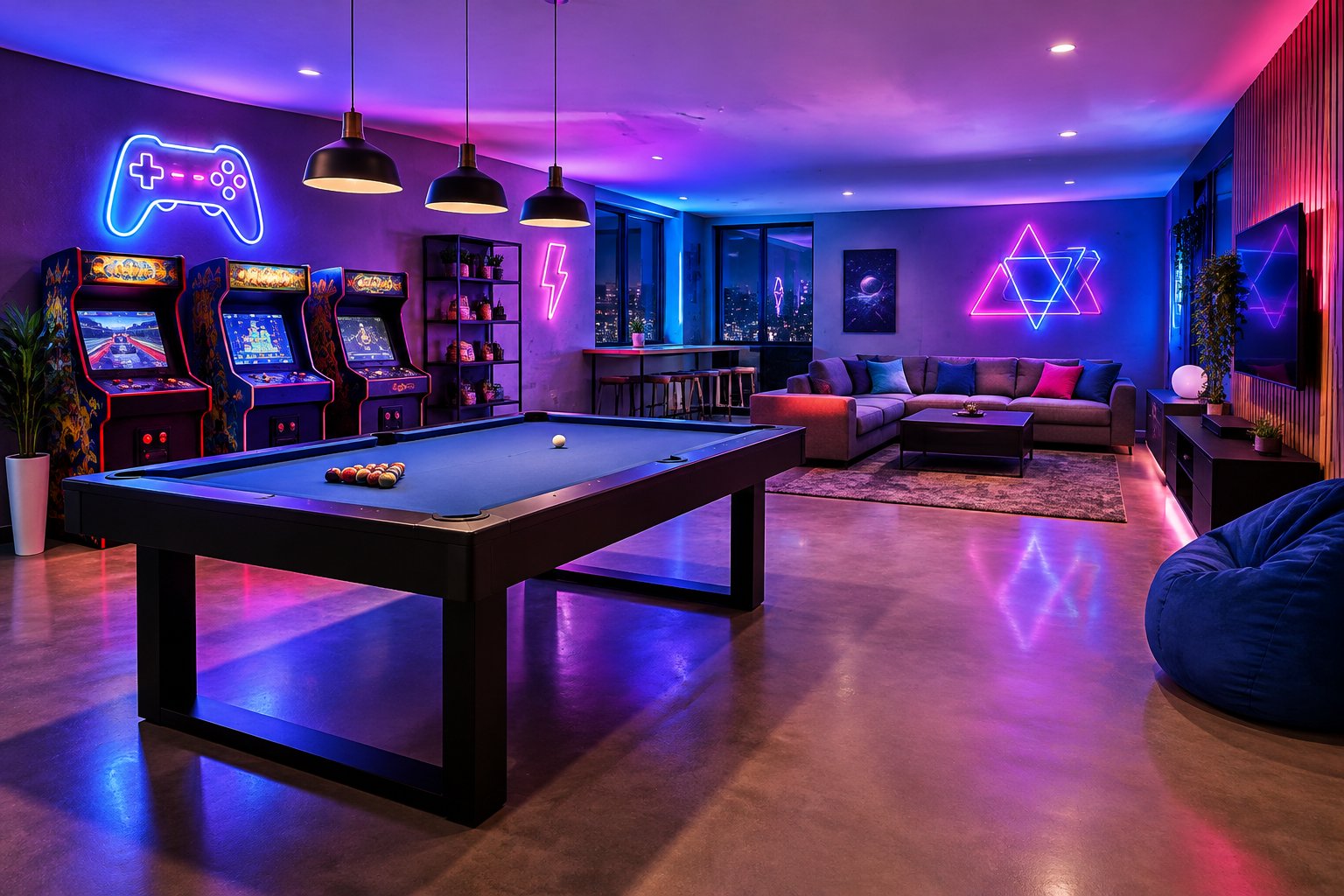
Neon Signs Game Room: Custom Design and Setup Guide

Neon Signs for Classroom: Ideas, Design, and Setup
Neon Signs for Home: Room Ideas and Custom Design Tips
Neon Signs Edmonton Alberta: Custom LED Buying Guide